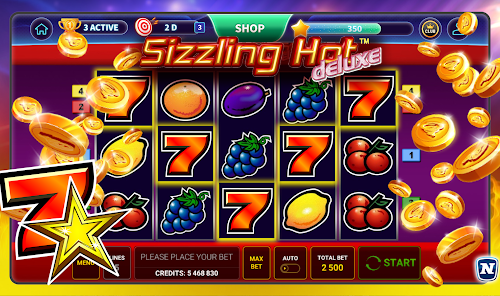
Online slot gambling has quickly become one of the most popular forms of entertainment in the digital age. With the proliferation of online casinos and the growing appeal of convenience, players can spin the reels from the comfort of their own homes or on the go. But behind the flashing lights and exciting bonus rounds, there are crucial aspects to consider when it comes to understanding the world of online qris slot. In this article, we’ll explore the rapid growth of online slot gambling, the mechanics of online slot games, their appeal, associated risks, and what the future might hold for this industry.
The Evolution of Slot Gambling
From Physical Reels to Virtual Spins:
Slot machines, often considered the quintessential casino game, originated in the late 19th century in land-based venues. The first mechanical slot, “Liberty Bell,” was invented by Charles Fey in 1895. Since then, slots have evolved from simple, mechanical devices to more sophisticated, electronic machines with advanced features.
In the early days of online gambling, slots were initially a basic translation of these traditional machines to the virtual world. However, with the development of better graphics, animations, and user interfaces, online slots have evolved into multi-layered, feature-rich games with immersive storylines and bonus rounds. Today, online slots dominate the digital gambling industry, with thousands of different titles available at the click of a button.
The Appeal of Online Slot Gambling
1. Accessibility:
One of the biggest draws of online slot gambling is its accessibility. Players no longer have to travel to physical casinos to enjoy their favorite games. All it takes is an internet connection and a device (smartphone, tablet, or computer) to start playing. This level of convenience has made online slots incredibly popular, especially among younger, tech-savvy gamblers.
2. Exciting Themes and Graphics:
Modern online slots come with a wide range of themes, from ancient civilizations to popular movies and TV shows, giving players the chance to experience a variety of storylines while they play. Advanced graphics and animations have enhanced the gaming experience, creating visually stunning and interactive slot games. Players can immerse themselves in rich, dynamic worlds as they spin the reels, making online slots feel like an interactive adventure.
3. Massive Jackpots and Payout Potential:
Online slot games often feature progressive jackpots, which can grow to life-changing amounts. These jackpots are connected across multiple games or casinos, meaning the prize pool accumulates with every bet placed. The allure of hitting a huge payout is one of the main reasons players flock to online slots. In some cases, jackpots have reached millions of dollars, sparking a level of excitement that draws players back for more.
4. Bonuses and Promotions:
Online casinos offer a variety of promotions to entice players. These include welcome bonuses, free spins, loyalty rewards, and cashbacks. For new players, free spins on online slots provide an opportunity to explore games without risking their own money. These incentives have made online slots even more attractive, as they allow players to stretch their gambling budget and increase their chances of winning.
Mechanics of Online Slots
1. Random Number Generator (RNG):
At the heart of every online slot game is the Random Number Generator (RNG). This software algorithm ensures that each spin of the reels is completely random and fair. The RNG generates a random sequence of numbers that determine the outcome of each spin. As such, every spin is independent of previous ones, ensuring that there is no pattern or predictability.
2. Paylines and Symbols:
Online slots usually consist of several reels and paylines. A payline is a line where symbols must align to trigger a win. Depending on the game, a slot can have anywhere from a single payline to hundreds of paylines. Winning combinations of symbols will vary from game to game, but typically, the more symbols that align along the payline, the higher the payout.
3. Volatility and RTP (Return to Player):
Every slot game has a metric called Return to Player (RTP), which represents the percentage of the total amount wagered that will be paid back to players over time. For example, a game with an RTP of 95% will return $95 for every $100 wagered in the long run. Volatility, on the other hand, refers to the risk level of the game. Low volatility slots offer more frequent but smaller payouts, while high volatility slots offer larger, less frequent payouts.